


Download the Full Resource
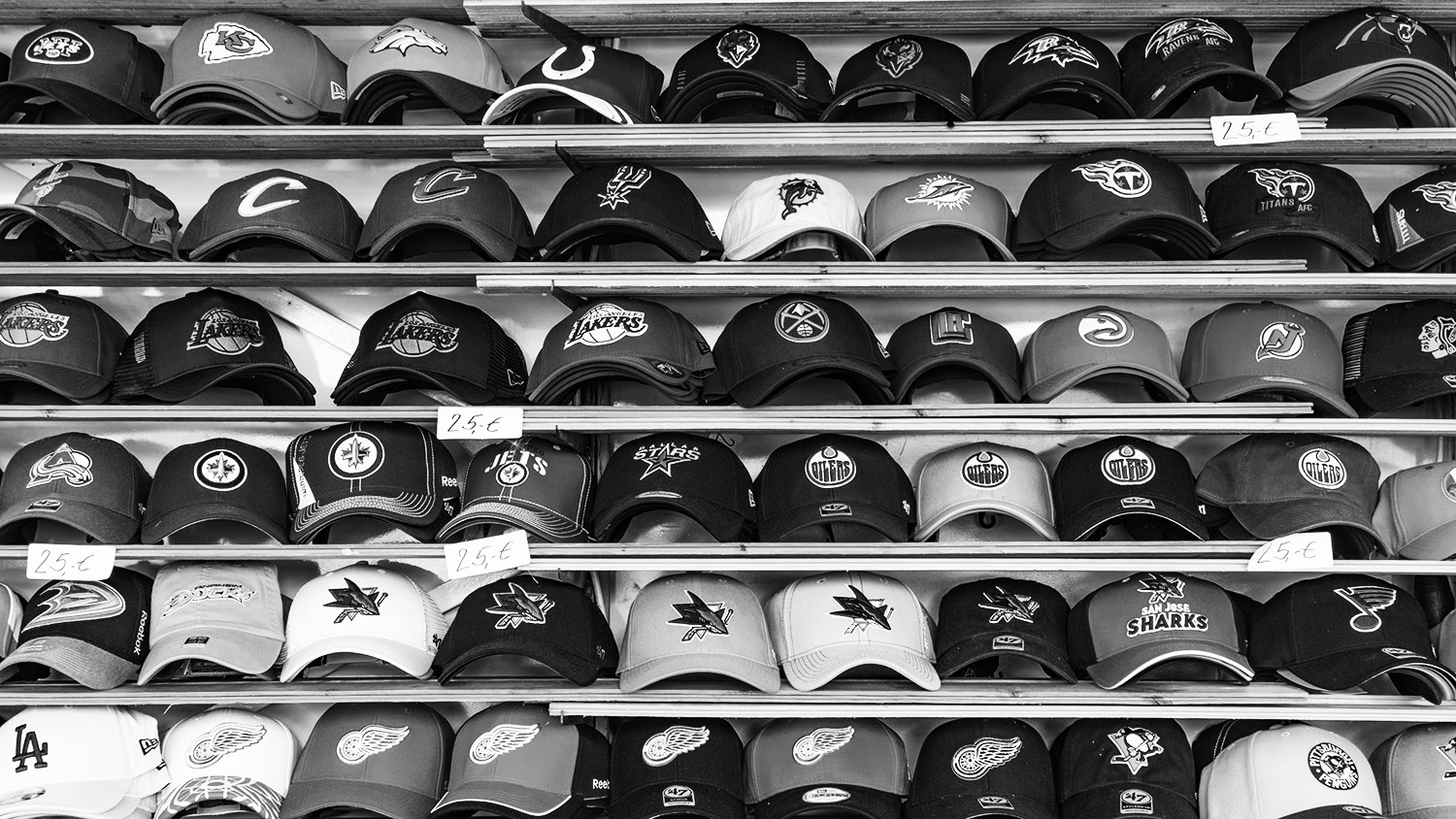
The trademark and licensing landscape in college athletics has evolved from a compliance function into a powerful driver of brand strength, fan connection, and revenue growth. Institutions that modernize their licensing strategy are capturing substantial new revenue opportunities, while those relying on outdated models risk missed opportunities and diminished brand impact.
Digital storytelling, athlete NIL collaborations, and retail innovation are proving to be some of the strongest levers for generating demand and building long-term loyalty. To capitalize on these opportunities, institutions must first establish a strong foundation.
A Three-Step Framework for Growth
The framework below highlights key considerations for institutions looking to strengthen their brand, deepen fan pride, and unlock sustainable revenue growth.

1 - Analyze Data
Understand current performance metrics, including:
- Royalty Revenue Trends
- Product Category Performance
- Licensee Distribution
- Compliance Measures

2 - Review Processes
Examine internal workflows, including:
- Trademark Registration and Protection
- Licensing Approval Processes
- Contract Management
- Enforcement Procedures

3 - Assess Engagement
Evaluate how fans and consumers interact with licensed products through:
- Retail and E-Commerce Channels
- Marketing and Promotional Efforts
- Social Media Activity
- Brand Storytelling Initiatives
Putting the Framework into Practice: Altius Case Study
While every institution's circumstances are unique, the principles outlined above can be applied across a wide range of athletics licensing programs. The following case study illustrates how Altius helped a Big Ten institution address a fragmented brand identity, diluted revenue streams, and disconnected retail experiences that limited both brand impact and revenue potential.
Our Approach
To better understand the institution's challenges and opportunities, Altius conducted a comprehensive evaluation that included:
- Campus Visits
- Stakeholder Interviews
- Retail Operations Reviews
- Peer Benchmarking
- In-Depth Licensee Analysis
Key Recommendations
The evaluation revealed several opportunities to better align brand strategy, licensing operations, and fan engagement. To address these opportunities, Altius recommended the following:
- Unify brand identity across Athletics and Auxiliary Services.
- Develop a premium product strategy featuring exclusive merchandise and elevated finishes.
- Optimize licensee partnerships while leveraging emerging and mid-tier brands to drive innovation.
- Enhance digital presence and retail experiences through pop-up activations and NIL collaborations.
- Refine royalty structures and explore profit-sharing models tied to incremental revenue growth.
Impact
Together, these recommendations positioned the institution to strengthen brand equity across athletics, retail, and digital channels; enhance the fan experience through premium merchandise offerings; and create a more unified and strategic approach to trademarks, licensing, and merchandising. The resulting framework also positioned the institution to unlock significant royalty growth and long-term revenue opportunities.
Download the Full Resource
For a deeper exploration of the three-step framework and additional insights from Ron Raccuia, Senior Advisor at Altius Sports Partners, download the full resource:
Unlocking Revenue Potential: How Schools Can Optimize Trademarks, Licensing, and Merchandising